Readiness Assessment
Understand your current waste-management practices, identify gaps and determine what improvements may be needed before pursuing verification or certification.
Discuss a Readiness Assessment →Demonstrate your organisation’s waste-diversion performance through a structured, evidence-based approach to Zero Waste to Landfill.
A clear, evidence-based approach helps organisations understand their performance and demonstrate progress with greater confidence.
Support waste-diversion claims with appropriate records and independent assessment.
Understand waste generation, recovery and landfill-diversion performance.
Organise supporting records to substantiate reported waste data.
Identify opportunities to strengthen waste management and diversion performance.
Not every organisation starts from the same position. Choose a starting point and we’ll take it from there.
Understand your current waste-management practices, identify gaps and determine what improvements may be needed before pursuing verification or certification.
Discuss a Readiness Assessment →Have your reported waste data and diversion performance independently assessed against the applicable requirements.
Enquire about verification →Explore formal recognition of your organisation’s waste-diversion performance against the applicable ZWTL standard and certification requirements.
Enquire about certification →Discuss the appropriate scope and approach for organisations managing waste across multiple facilities or locations.
Discuss multi-site requirements →Levels are based on the applicable ZWTL standard. Recognition of a diversion percentage does not automatically establish eligibility for a verification opinion or certification.
Exact requirements are discussed during enquiry and scope-setting.
Waste quantities, categories, reporting periods and diversion calculations.
Relevant collection records, tickets, invoices and recovery documentation.
Internal logs, photographs and other records applicable to the assessment.
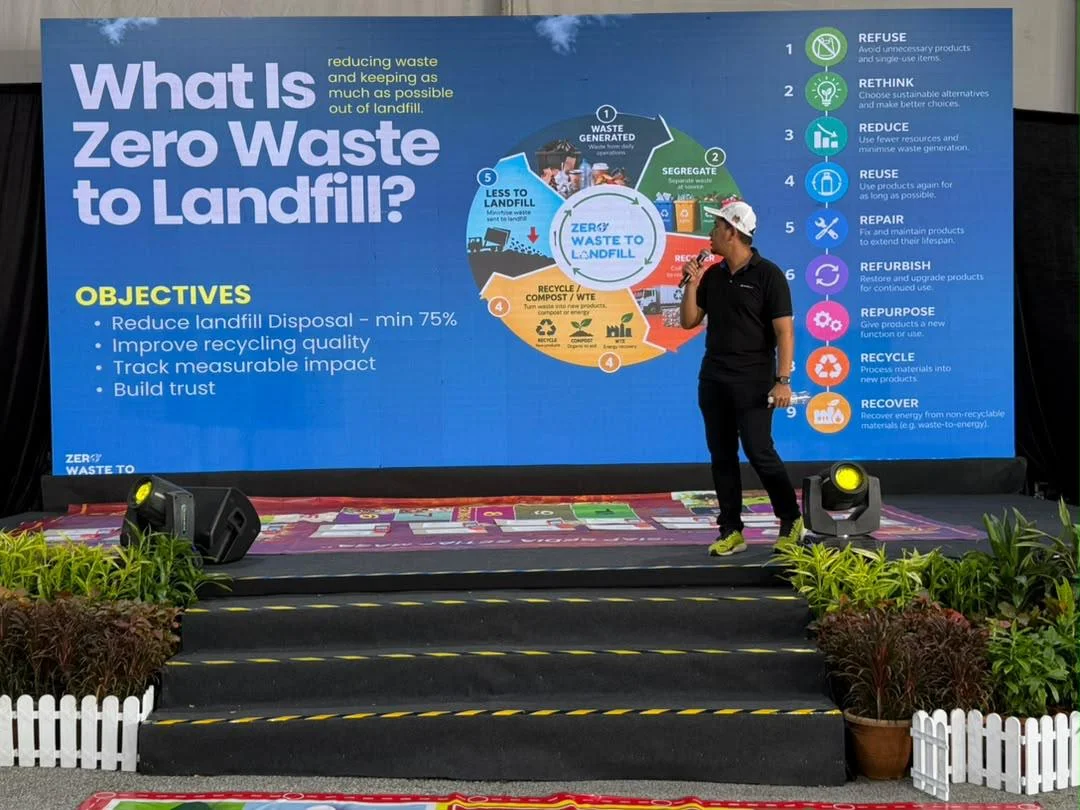
Access a team working across sustainability, certification and supply-chain assurance.
Understand the scope, applicable requirements, evidence needs and next steps before the engagement begins.
Discuss your sites, waste streams and objectives with the team to determine the appropriate service pathway.
Verification is an independent assessment of your reported waste data and diversion performance. Certification is formal recognition against the applicable ZWTL standard and certification requirements. One does not automatically lead to the other.
Organisations of different sizes and sectors that generate waste and keep records of how it is managed. Eligibility depends on the applicable scheme and scope — talk to us about yours.
The applicable ZWTL standard and requirements for your scope. We confirm which apply when we discuss your enquiry.
Typically waste quantities, categories, reporting periods, diversion calculations and recovery records. Exact requirements are agreed during scope-setting.
This depends on the service and scope. We will explain what applies to your organisation.
Recovery pathways are treated according to the applicable standard. Prevention, reuse and recycling remain the priority. Ask us about your specific waste streams.
Pricing depends on your scope, number of sites and the service selected. Tell us about your organisation and we will prepare a quotation.
Timelines depend on scope and how ready your records are. We will give you an indication once we understand your needs.
Multi-site scopes can be discussed. We will agree the appropriate approach with you.
We share the findings so you can address them. A Readiness Assessment can help identify gaps early.
Tell us what your organisation wants to achieve. We’ll discuss the relevant requirements, scope and service options with you.
Not sure where to start? That’s fine. Tell us a little about your organisation and we’ll guide you to the appropriate next step.